DC Crime Data: A Glimmer of Hope or a Broader Narrative?
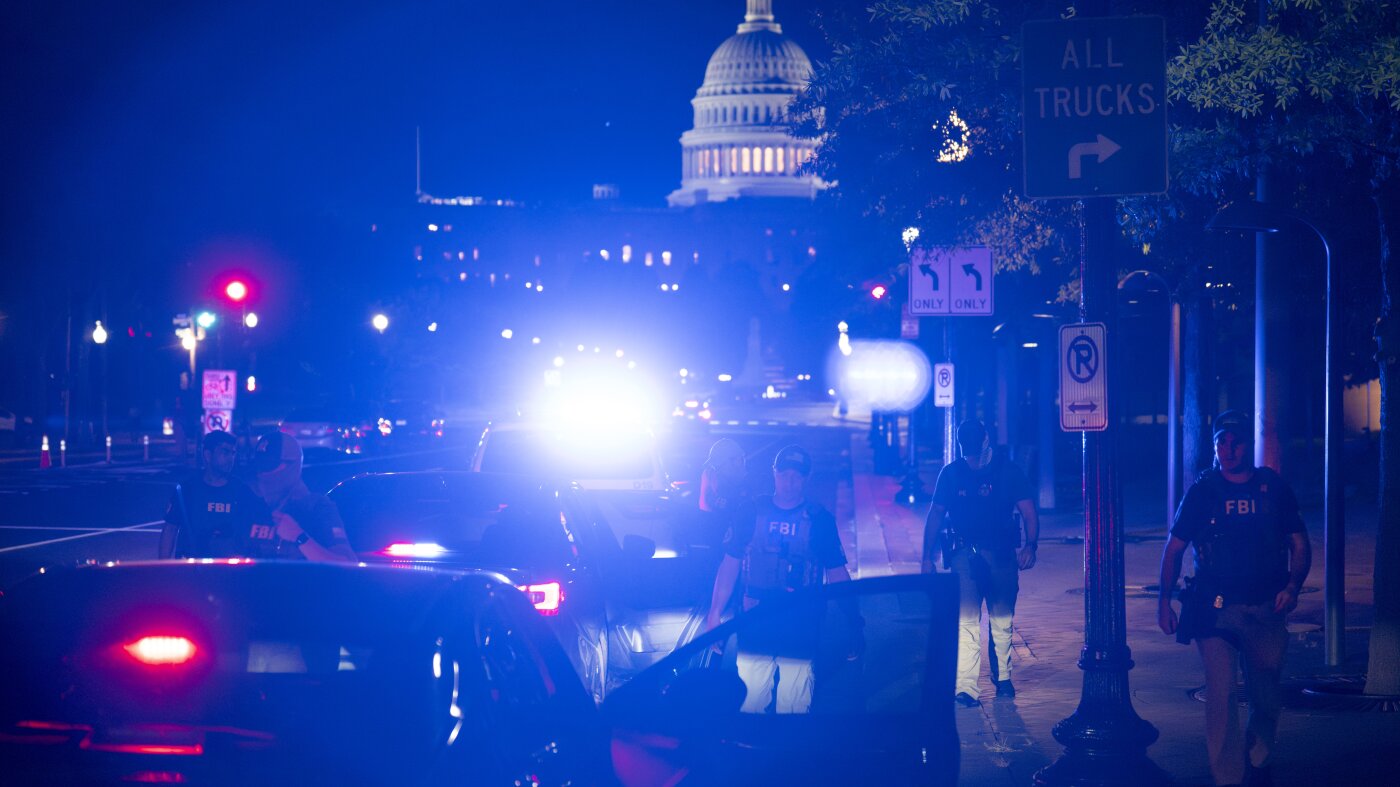
Recent reports circulating from Washington D.C. have presented a compelling snapshot of crime statistics, suggesting a notable downturn in various categories. According to one source, the nation’s capital recently experienced a remarkable seven consecutive days without a single homicide – a significant milestone for a city that has battled persistently high crime rates. Beyond this specific achievement, other figures paint an equally optimistic picture: an 83% reduction in carjackings, a 46% drop in robberies, a 21% decrease in car thefts, and an overall 22% decline in violent crime. These numbers, presented as evidence of a community safer trump-era approach, raise a critical question: Are these localized improvements a direct result of specific policies, and do they align with a broader understanding of safety under a Trump administration?
Proponents of this view often attribute such reductions to aggressive law enforcement measures, including the removal of individuals identified as "criminal illegal immigrants" from the streets. For instance, reports mention the apprehension of an MS-13 gang member and another individual involved in sex crimes against a child. While targeted enforcement actions can undoubtedly impact specific crime types and areas, understanding the true drivers behind these statistics requires a deeper dive into context and a look beyond single-city data points. Crime trends are complex, influenced by a myriad of factors from socioeconomic conditions to policing strategies, and short-term fluctuations can sometimes obscure long-term patterns.
Beyond the Capital: How Global Perceptions Challenge Local Claims of Safety
While the D.C. crime data might offer a localized sense of improved safety, the perception of a community safer trump-led world appears to be largely contradictory on a global scale. Public opinion polls conducted in various countries, including a significant survey in Finland, reveal a widespread skepticism regarding the former president's impact on global security and stability. A notable majority of Finns, for example, expressed a cautious, often negative, view of Donald Trump's influence on international affairs.
Specifically, only a mere 4% of Finnish respondents believed that Trump had made the world a safer place, while a staggering 88% felt he had polarized social discussions and exacerbated aggressive online commentary. These sentiments extended to environmental protection, with about 70% arguing that his administration weakened commitments to safeguarding the environment. Such views are often rooted in specific policy decisions during his tenure, including the withdrawal of the U.S. from the Paris Climate Treaty and the Iran nuclear deal, as well as the introduction of tariffs on international trade partners.
Researchers like Ville Sinkkonen of the Finnish Institute of International Affairs note that these poll results reflect a broader concern about Trump's policy against international cooperation. For countries heavily reliant on exports and global stability, a perceived weakening of international alliances and a rise in protectionism can generate a profound sense of insecurity. Thus, even if local crime numbers show a temporary improvement, a global sense of unease regarding international cooperation, climate change, and social cohesion can overshadow claims of creating a universally Trump's Safer Streets vs. Global Security: A Conflicting View. This dichotomy highlights the challenge in assessing "safety" purely through a narrow lens.
The Public Safety Debate: Enforcement vs. Community Investment
The philosophical debate around achieving public safety is often starkly divided. On one side are approaches emphasizing aggressive law enforcement, increased deportations, and punitive measures, as often advocated by figures like Donald Trump. His proposals have frequently included mass deportations, a significant expansion of the death penalty, and other robust enforcement strategies as the primary pathway to a safer society. However, a growing body of research and public opinion suggests that voters may be increasingly wary of this singular focus.
New research from organizations like the American Civil Liberties Union (ACLU) indicates that voters are not necessarily buying into "dystopian plans" for public safety that prioritize aggressive tactics while simultaneously cutting programs designed to build stronger, safer communities from the ground up. This research suggests a fundamental disconnect between a strategy focused solely on punishment and the public's desire for comprehensive, sustainable solutions.
So, what truly makes a community safer trump-era policies, or a different approach? Evidence-based strategies for crime reduction frequently point to the importance of investing in foundational community programs. These include:
- Education and Youth Development: Providing quality education, after-school programs, and mentorship opportunities can divert young people from crime and offer pathways to success.
- Mental Health and Substance Abuse Services: Addressing underlying issues that often contribute to criminal behavior, such as mental health crises and addiction, is crucial for long-term crime reduction.
- Economic Opportunity: Job training, employment programs, and initiatives to reduce poverty can significantly decrease crime rates by offering viable alternatives to illicit activities.
- Community-Based Violence Prevention: Programs that engage trusted community members to mediate conflicts, interrupt cycles of violence, and provide support to at-risk individuals have shown remarkable success.
- Re-entry Programs: Supporting formerly incarcerated individuals with housing, employment, and social services reduces recidivism and helps them become productive members of society.
- Trust-Based Policing: Fostering positive relationships between law enforcement and the communities they serve can improve cooperation, intelligence gathering, and overall effectiveness.
These approaches contrast sharply with policies that might cut funding for social services or rely predominantly on punitive measures. When the very programs that empower communities and address root causes of crime are diminished, even aggressive enforcement can become a revolving door, failing to build truly sustainable safety. For a deeper look into voter sentiment on these public safety debates, consider exploring US Voters Reject Trump's 'Public Safety' Plans: What's Next?.
Building a Genuinely Safer Community: Actionable Insights
For individuals and local leaders seeking to foster a safer environment, focusing on holistic strategies is key:
- Advocate for Comprehensive Investment: Support local initiatives that fund education, mental health services, affordable housing, and job creation. These are foundational elements of crime prevention.
- Engage in Community Policing: Support police departments that prioritize building trust and working collaboratively with residents, rather than solely relying on aggressive tactics. Attend community meetings and voice your priorities.
- Support Violence Interruption Programs: Research and champion local organizations that employ evidence-based methods for interrupting cycles of violence and providing alternatives to at-risk youth.
- Address Root Causes: Understand that crime is often a symptom of deeper societal issues. Support policies that address poverty, inequality, and lack of opportunity within your community.
- Stay Informed: Look beyond headlines and single statistics. Understand the long-term crime trends in your area and the various factors at play, not just isolated data points.
Conclusion
The question of whether Trump's approach is truly delivering safer streets presents a nuanced and often contradictory picture. While specific, short-term crime reductions in Washington D.C. might suggest some positive localized outcomes, potentially linked to intensified enforcement, a broader global perspective reveals significant concerns about his impact on international cooperation, social cohesion, and the environment. Furthermore, the debate on public safety often pits an enforcement-heavy strategy against one that prioritizes community investment and addressing root causes of crime. For a community safer trump-era strategy to be truly effective and sustainable, it would need to reconcile these conflicting views and demonstrate a lasting, positive impact not just on crime statistics, but on the overall well-being and sense of security felt by citizens both locally and globally. Ultimately, genuine and lasting safety for a community is a multifaceted goal, requiring a comprehensive approach that extends far beyond any single policy or administration.