The Conflicting Landscape of "Safer Streets" and Global Stability Under Trump
The concept of security, both domestic and international, often conjures a complex tapestry of perspectives, policies, and outcomes. When examining the political legacy and proposed future policies of figures like Donald Trump, this complexity becomes particularly apparent. A core tension emerges between the lauded achievements in localized public safety and a widespread international perception of diminished global security. This article delves into this dichotomy, exploring the arguments for enhanced domestic community safer trump initiatives while contrasting them with global concerns about international cooperation and stability.
Domestic Triumphs: The "Safer Streets" Narrative
One prominent narrative championed by Donald Trump and his supporters centers on tangible improvements in urban crime rates, particularly in specific localities. For instance, reports have highlighted significant reductions in crime figures within Washington D.C. During certain periods, the city has experienced remarkable drops: a seven-day stretch without a homicide, carjackings down by an impressive 83%, robberies reduced by 46%, and overall violent crime seeing a 22% decrease. Car thefts also reportedly fell by 21%. These statistics are often presented as direct evidence of effective law enforcement strategies and a robust approach to public safety.
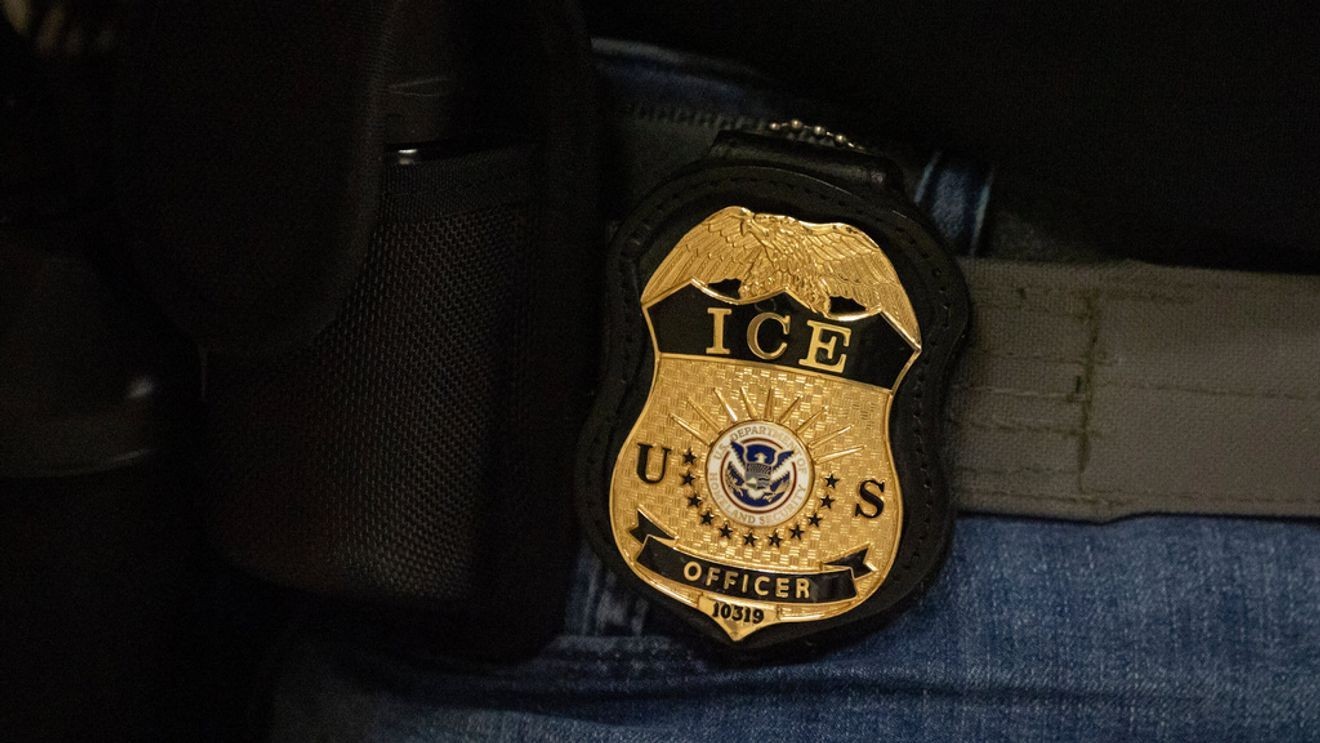
A key component of this domestic safety strategy, as articulated by its proponents, has been a strong stance on immigration enforcement. Authorities have been credited with removing numerous individuals described as "criminal illegal immigrants" from communities. Specific examples include the apprehension of an MS-13 gang member and another individual facing charges for sex crimes against a child. This approach emphasizes that strengthening borders and enforcing immigration laws are integral to fostering a community safer trump agenda, arguing that such measures directly prevent crime and protect citizens.
However, it's crucial to analyze these figures with a broader lens. While localized crime reductions are positive, the sustainability and the direct causal link to specific presidential policies often invite deeper scrutiny. Factors like local law enforcement initiatives, demographic shifts, and even seasonal variations can influence crime rates. Furthermore, the focus on specific types of crime or certain demographics can sometimes overshadow other underlying issues that contribute to community safety, such as socio-economic factors or access to vital resources. Nevertheless, the narrative of "safer streets" remains a potent argument for those who advocate for a strong, enforcement-led approach to domestic security.
The Global View: Perceptions of Weakened Security and Diplomacy
In stark contrast to the domestic claims of improved safety, international sentiment regarding Donald Trump's impact on global security has often been overwhelmingly negative. A comprehensive survey conducted by Taloustutkimus for Yle among Finns provides a telling snapshot of this global apprehension. The results reveal a cautious, if not critical, view of Trump's influence on various international issues:
- Global Security: A mere 4% of respondents believed Trump had made the world a safer place. This suggests a widespread perception that his policies either maintained the status quo or, more likely, exacerbated global risks.
- US Global Position: Only 14% thought Trump had strengthened the US position on the globe, indicating concerns about America's standing and influence internationally.
- Environmental Protection: A substantial 70% of those queried argued that the US president had weakened commitment to protecting the environment, a view strongly linked to actions like withdrawing from the Paris Climate Treaty.
- Social Polarization: An overwhelming 88% believed Trump had polarized discussions on social issues and increased aggressive commenting on social media, reflecting concerns about his rhetoric and its impact on civic discourse.
Demographic breakdowns within the Finnish poll further illustrate these nuances. While those with lower education or income were slightly more inclined to see an improvement in global security, and supporters of the Finns Party showed more support for both claims, the overall disapproval was striking. University graduates, higher-income earners, and urban residents were particularly concerned about environmental issues. As Ville Sinkkonen, a researcher at the Finnish Institute of International Affairs, noted, these results reflect Trump's policy against international cooperation, which directly impacts export-dependent nations like Finland.
Specific policy decisions during Trump's tenure, such as the withdrawal from the Iran nuclear deal and the introduction of tariffs on European steel and aluminum, are frequently cited as examples of actions that undermined multilateral agreements and strained alliances. Sinkkonen also highlighted that these poll results are consistent with broader sentiment in Western Europe and globally, referencing a Pew Research Center poll that showed only a 30% approval rate for the US administration in 134 countries. This widespread international disapproval suggests that while some domestic policies may have aimed to make the community safer trump supporters envision, the collateral damage on global trust and cooperation was significant.
The American Voter's Verdict: Rejecting "Dystopian" Public Safety Plans
Even within the United States, proposed approaches to public safety under a potential future Trump administration face scrutiny. Recent research from the American Civil Liberties Union (ACLU) indicates that voters are not universally embracing certain aspects of Trump's "public safety" platform. This platform has included calls for mass deportations, aggressive law enforcement measures, and a sweeping expansion of the death penalty. Critically, these proposals are framed as the path to public safety while, in the same breath, often involving cuts to programs that are widely considered to genuinely contribute to making communities safer.
The contradiction lies in the idea that an exclusive focus on punitive measures, without adequate investment in underlying social support structures, can lead to sustainable safety. Voters, according to the ACLU research, are increasingly aware that genuine public safety often stems from a holistic approach. This includes investing in:
- Community-based violence intervention programs: These initiatives often involve trusted local leaders working to de-escalate conflicts and prevent violence before it occurs.
- Mental health services: Addressing mental health crises can reduce interactions with the criminal justice system and provide much-needed support.
- Educational opportunities and job training: Economic stability and opportunity are powerful deterrents to crime, offering pathways out of poverty and illegal activities.
- Affordable housing and healthcare: Stable living conditions and access to healthcare reduce stress and social disarray, contributing to healthier, safer communities.
- Re-entry programs: Supporting individuals transitioning out of incarceration helps reduce recidivism and integrate them back into society productively.
The rejection of a purely enforcement-heavy, "dystopian" vision of public safety suggests a growing public understanding that lasting safety requires more than just punitive measures. It demands investment in the social fabric and foundational well-being of a community. For more insights into these evolving voter sentiments, explore our detailed analysis on US Voters Reject Trump's 'Public Safety' Plans: What's Next?
Beyond the Headlines: Analyzing the Broader Implications
The conflicting views on Trump's impact on domestic versus global security highlight a fundamental divergence in how "safety" is defined and pursued. At home, the emphasis has been on visible crime reduction and strong border enforcement, aiming for a sense of immediate, tangible security. Globally, however, the perception shifts to concerns about diplomatic stability, environmental integrity, and the strength of international alliances. This global perspective often sees a rise in unilateralism and a withdrawal from multilateral agreements as increasing unpredictability and risk, rather than reducing it.
For individuals and policymakers alike, navigating this complex landscape requires critical thinking and a holistic perspective. Understanding what truly makes a community safer trump agenda proposes, versus what contributes to global peace and stability, means looking beyond isolated statistics. It involves evaluating long-term consequences, considering diverse viewpoints, and recognizing the interconnectedness of local and global challenges. A strong domestic economy and secure borders are undoubtedly important, but they often cannot be sustained in isolation from a stable, cooperative international environment.
Conclusion
The debate surrounding Donald Trump's approach to security is a microcosm of broader disagreements about governance and national priorities. While some point to localized crime reductions and aggressive enforcement as proof of a successful "safer streets" strategy, a significant portion of the international community, and indeed many domestic voters, express profound concerns about the impact on global stability, diplomatic ties, and the commitment to shared international challenges. The tension between a focused, nationalist approach to domestic security and the imperative of global cooperation defines much of the discussion. Ultimately, a truly comprehensive understanding of "safety" must reconcile these conflicting views, acknowledging the intricate balance required to protect citizens at home while fostering a more secure and predictable world.